From dressage to endurance competitions, a horse’s gait and natural movement patterns significantly influence their success across various disciplines.
Understanding the intricate relationship between horse gait patterns and performance in equestrian sports is crucial for both riders and trainers. From dressage to endurance competitions, a horse’s natural movement patterns significantly influence their success across various disciplines. The quality and efficiency of a horse’s gaits not only determine their competitive success but may also impact their long-term health and career longevity.
The foundation of equine movement lies in the horse’s natural gaits. Each gait represents a distinct pattern of limb movement and timing, creating unique footfall patterns and rhythms that serve different purposes in both natural and competitive settings.
The walk, as a four-beat gait, provides the foundation for all training. During the walk, each hoof strikes the ground independently in a consistent pattern: left hind, left fore, right hind, right fore. This gait allows for maximum stability and provides excellent opportunities for both horse and rider to develop their connection and communication.
The trot demonstrates remarkable efficiency in its diagonal paired movement. This two-beat gait pairs the left hind with the right fore, followed by the right hind with the left fore, creating a moment of suspension between each diagonal pair. The trot’s efficiency makes it particularly valuable in dressage and endurance riding, where energy conservation is paramount.
The canter introduces a more complex three-beat rhythm with a distinct moment of suspension. This gait begins with the outside hind leg, followed by the diagonal pair of the inside hind and outside fore, and finally the inside foreleg or leading leg Understanding the canter sequence proves essential for developing collection and extension in advanced movements.
The gallop represents the horse’s fastest gait, featuring four distinct beats with a pronounced moment of suspension. This extended gait requires significant energy expenditure but allows for maximum speed when needed, particularly valuable in eventing and racing disciplines.
Key characteristics of natural gaits include:
Dressage represents the highest form of training in equestrian sport, where gait quality becomes paramount to success. The discipline demands exceptional control over every aspect of the horse’s movement, from basic paces to advanced collected and extended gaits.
Rhythm and regularity form the foundation of dressage training. A horse must maintain consistent timing and stride length throughout all movements, even during complex lateral work or transitions. This consistency demonstrates the horse’s balance and the rider’s effective control.
Suppleness and elasticity reflect the horse’s physical and mental relaxation. Through systematic training, horses develop the ability to move with freedom through their back and shoulders, creating impressive movement that appears effortless. This quality particularly shows in extended gaits, where the horse must maintain relaxation while significantly increasing stride length.
Contact and frame development require careful attention to the horse’s longitudinal balance. Through progressive training, horses learn to carry themselves in self-carriage, maintaining a consistent frame while remaining responsive to subtle aids. This balance enables smooth transitions between movements and gaits.
Impulsion and engagement represent the power and “thrust” in the horse’s movement. Proper engagement of the hindquarters allows the horse to step under their centre of gravity, creating impressive elevation in collected movements and powerful extension when required.
Essential elements in dressage training include:
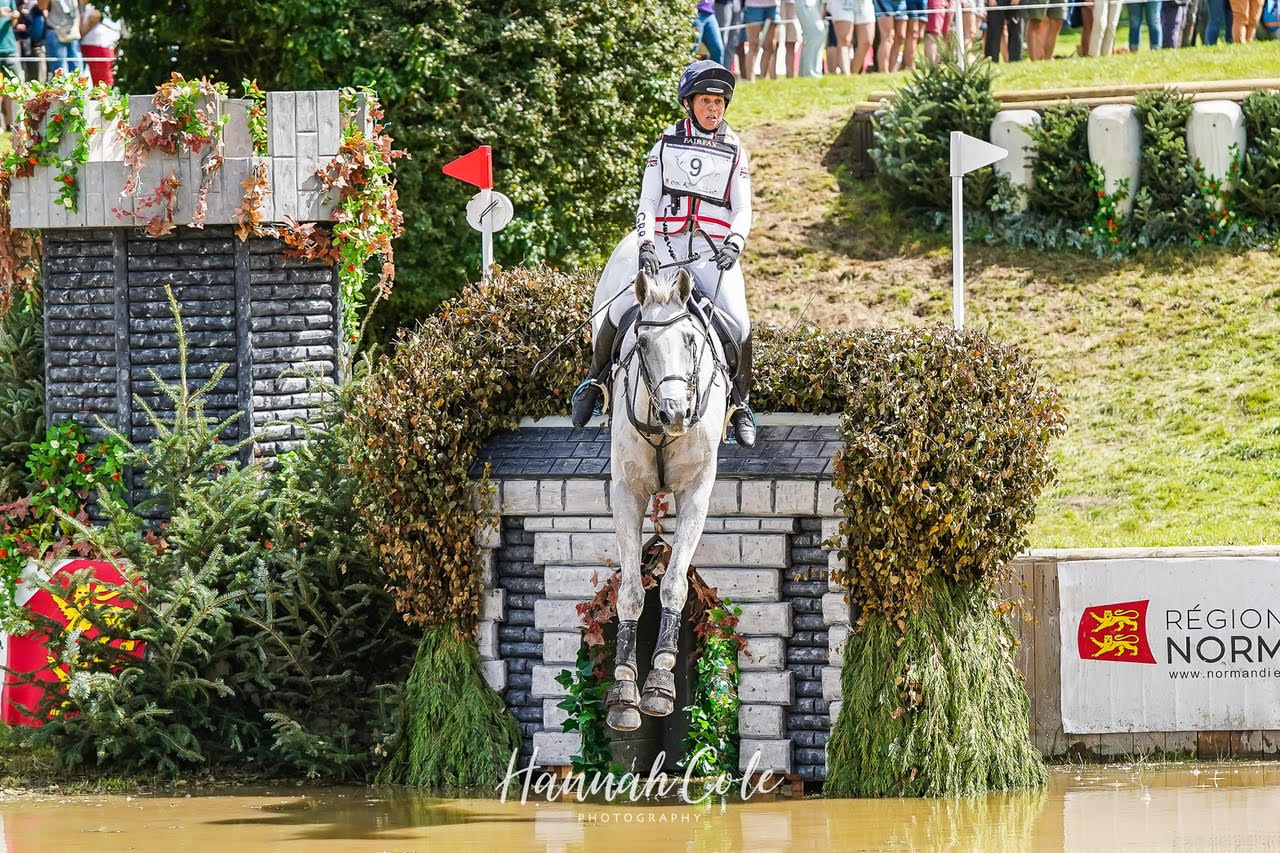
Eventing demands versatile gaits that can adapt to various challenges across three distinct phases. Successful event horses must possess extraordinary adaptability in their movement patterns, enabling them to excel in dressage, cross-country, and show jumping phases while maintaining efficiency and soundness.
The dressage phase requires refined, expressive gaits with clear rhythm and regularity. Horses must demonstrate collection and extension while maintaining balance and throughness. This foundation proves essential for the more dynamic phases to follow.
Cross-country demands powerful, ground-covering gaits with exceptional adjustability. Horses must maintain efficiency while navigating varied terrain and complex obstacles. The ability to lengthen and shorten stride while maintaining balance becomes crucial for safe and competitive performance.
Show jumping requires precise control of stride length and rhythm. Horses must be able to collect and extend their stride while maintaining power and scope over fences. This phase particularly tests the horse’s ability to maintain quality gaits despite fatigue from previous phases.
Critical aspects of eventing performance include:
Endurance riding places unique demands on equine gaits, requiring exceptional efficiency for sustained performance over long distances. Success in this discipline depends heavily on the horse’s ability to maintain comfortable, ground-covering gaits while conserving energy.
Gait efficiency becomes paramount in endurance competitions. Horses must move with minimal wasted energy, using their natural biomechanics to cover ground effectively. This efficiency directly impacts their ability to complete long distances successfully.
Stride mechanics play a crucial role in preventing fatigue and injury. Horses with balanced, efficient movements typically perform better over distance, showing less wear on joints and soft tissues. Regular gait analysis helps riders and trainers optimise these movement patterns.
Pace management requires careful consideration of terrain and conditions. Successful endurance horses learn to adjust their gaits according to the ground they’re covering, maintaining efficiency while adapting to challenges along the course.
Recovery between phases allows assessment of the horse’s movement quality and overall condition. Changes in gait can indicate fatigue or potential issues, making regular monitoring essential for both performance and welfare.
Key factors in endurance success include:
While often considered recreational, hacking presents unique challenges and requirements for equine gaits. Successful hacking horses must possess comfortable, reliable gaits that can adapt to various environments and conditions.
Comfortable movement patterns ensure enjoyable experiences for both horse and rider. A good hacking horse demonstrates smooth, consistent gaits that remain pleasant to ride for extended periods. This quality stems from natural balance and proper training.
Terrain adaptability proves essential for safe hacking. Horses must confidently navigate various surfaces and gradients while maintaining secure footing. This adaptability requires development of proprioception and natural balance.
Trail confidence influences gait quality significantly. Horses must maintain relaxed, forward movement even when encountering new environments or obstacles. This mental aspect directly affects physical performance and safety.
Essential qualities for hacking include:

Modern advances, such as phone applications, have altered our understanding of equine movement patterns. Advanced gait detection systems utilising the phone sensors provide unprecedented insight into the subtleties of equine locomotion, enabling more effective training and healthcare approaches.
High-speed video analysis allows detailed examination of each phase of movement. This technology reveals subtle asymmetries or irregularities that might otherwise go unnoticed, enabling early intervention when needed.
Pressure plate systems measure ground reaction forces during movement. This data provides valuable information about weight distribution and loading patterns, helping identify potential issues before they become problematic.
Inertial sensor systems enable field-based movement analysis. These portable devices track various movement parameters, providing real-time data about stride characteristics and symmetry.
Modern analysis methods include:
Developing quality gaits requires systematic, progressive training approaches. Success depends on understanding natural biomechanics and implementing appropriate exercises to enhance movement quality.
Ground pole exercises develop proprioception and rhythm. Regular incorporation of pole work helps horses develop better awareness of their feet and improved coordination. This foundation proves valuable across all disciplines.
Lateral movements enhance suppleness and balance. These exercises help develop the horse’s ability to move in multiple planes while maintaining rhythm and straightness. This flexibility contributes to better quality gaits in all movements.
Balance training focuses on developing self-carriage and coordination. Through systematic exercises, horses learn to carry themselves more effectively, leading to improved movement quality and reduced strain.
Collection and extension work builds on foundational strength and balance. These exercises develop the horse’s ability to adjust stride length and elevation while maintaining rhythm and relaxation.
Cross-training activities prevent monotony and develop all-around fitness. Varied work helps maintain mental freshness while building different aspects of strength and coordination.
Training fundamentals include:
Quality gaits directly impact equine health and longevity. Understanding this relationship helps inform training and management decisions for optimal long-term outcomes.
Joint health depends significantly on movement quality. Proper biomechanics reduce unnecessary stress on joints, helping prevent premature wear and potential injury. Regular monitoring helps identify potential issues early.
Muscle development requires balanced work and appropriate rest. Quality movement patterns promote even muscular development, supporting better performance and reducing injury risk.
Soundness monitoring becomes essential for maintaining gait quality. Regular assessment helps identify subtle changes that might indicate developing issues, enabling prompt intervention when needed.
Health management priorities include:
The quality and efficiency of equine gaits fundamentally influence both performance and well-being across all disciplines. Understanding these relationships enables more effective training approaches and better long-term outcomes for our equine partners. Through continued advancement in gait detection technology and training methodologies, we can better support horses in achieving their full potential while maintaining optimal health and comfort.
The integration of traditional horsemanship with modern analysis tools provides unprecedented opportunities for optimising equine movement. Whether competing at elite levels or enjoying recreational riding, attention to gait quality remains essential for success and sustainability in equestrian pursuits.
Always aim to establish baselines for your horse, to address any concerns and remember, consistency is king. For easy tracking, recording logs and session review ensure you have a look at the ENDURO Equine Fitness App and Enduro Equine Heart Rate Monitor.


Copyright © 2025. Siametric Systems. All rights reserved.
Privacy Policy Terms of Service Login / Register